
Strand Renewal

Blog

Coconut Oil for Hair
Blog, Hair Fall

Coconut Oil for Hair Growth: Does It Really Work?

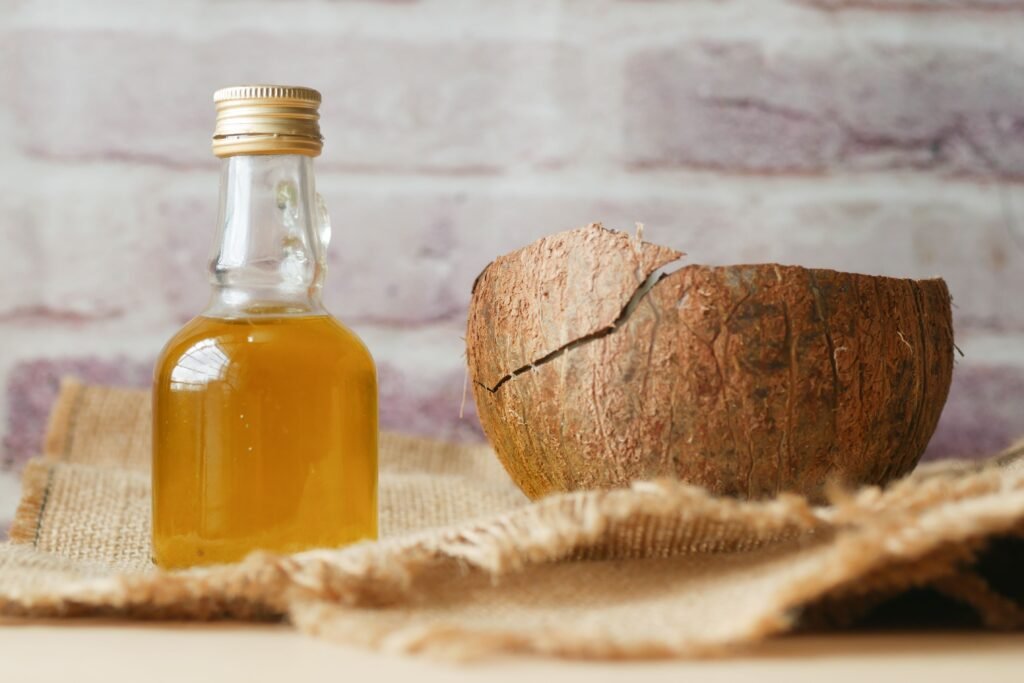
Coconut oil for hair has been a trusted hair-care ingredient for generations. From traditional scalp massages to modern hair-care formulations, it continues to be popular for its ability to nourish, condition and protect the hair. But there is an important question: Can coconut oil actually promote hair growth? The answer is more nuanced than a simple yes or no. Coconut oil may support healthier-looking hair and help reduce damage, but it is not a proven hair-growth treatment for every type of hair loss. Table of Contents What Makes Coconut Oil Good for Hair? Does Coconut Oil Promote Hair Growth? Coconut Oil for Hair Fall: Can It Help? How to Use Coconut Oil for Hair Is Coconut Oil for Hair Suitable for Everyone? Coconut Oil vs. Hair Growth Treatments Common Mistakes When Using Coconut Oil The Bottom Line Frequently Asked Questions What Makes Coconut Oil Good for Hair? Coconut oil is rich in fatty acids, particularly lauric acid. Its molecular structure allows it to interact with the hair shaft and penetrate the hair fibre more effectively than some other oils. This can help reduce protein loss from the hair, particularly when hair is damaged or exposed to repeated washing, heat styling and environmental stress. Healthier, stronger hair is less likely to break, which can make your hair appear fuller and longer over time. Does Coconut Oil Promote Hair Growth? This is where it is important to distinguish hair growth from hair retention. Hair growth occurs inside the follicle, where cells produce new hair. Coconut oil for hair primarily works on the hair fibre and scalp surface. There is currently limited evidence that applying coconut oil directly to the scalp can significantly stimulate follicle activity or increase the rate at which hair grows. However, coconut oil for hair helps create conditions that support better hair maintenance by: Reducing hair fibre damage Helping minimise protein loss Improving softness and manageability Reducing dryness and friction Helping protect hair from breakage So, while coconut oil may not directly “switch on” hair growth, it can potentially help you retain more of the hair you grow by reducing breakage. Coconut Oil for Hair Fall: Can It Help? Hair fall can have many causes, including genetics, nutritional deficiencies, hormonal changes, stress, illness, scalp conditions and certain medications. Because the causes vary, coconut oil cannot be considered a universal solution for hair fall. If your concern is mainly dry, brittle or damaged hair that breaks easily, coconut oil may be useful as part of a conditioning routine. But if you are experiencing sudden, excessive or persistent shedding, widening of the hair part, visible scalp or progressive thinning, it is important to identify the underlying cause rather than relying only on oiling. How to Use Coconut Oil for Hair If coconut oil works well for your hair type, it can be incorporated into your routine in a simple way. 1. Choose a suitable coconut oil Look for a good-quality coconut oil without unnecessary added ingredients if you want to use it as a pre-wash treatment. 2. Apply a small amount Warm a small quantity between your palms and gently distribute it through the lengths and ends of your hair. If you want to apply it to the scalp, use a small amount and massage gently rather than rubbing aggressively. 3. Leave it on before washing A pre-shampoo application can help condition the hair before cleansing. You do not necessarily need to leave oil on overnight; a shorter application may be sufficient depending on your hair and scalp. 4. Wash thoroughly Use a gentle shampoo to remove excess oil. If your hair feels heavy or greasy, reduce the quantity rather than applying more shampoo.   Is Coconut Oil for Hair Suitable for Everyone? Not necessarily. Some people may find coconut oil leaves their hair soft and manageable, while others may experience heaviness, buildup or an uncomfortable scalp feeling. People with oily scalps or certain scalp conditions may prefer lighter products or may need professional advice before regularly applying oils to the scalp. Your hair type, scalp condition and individual needs should determine whether coconut oil belongs in your routine. Coconut Oil vs. Hair Growth Treatments It is useful to understand the difference between a hair-conditioning ingredient and a hair-loss treatment. Coconut oil can help improve the condition of the hair fibre and reduce certain forms of damage. However, treating conditions such as androgenetic alopecia or other forms of persistent hair loss may require a different approach. Evidence-based hair-loss management starts with identifying the cause. Depending on the diagnosis, a dermatologist may recommend specific treatments, lifestyle changes or investigations. Therefore, coconut oil can be viewed as a supportive hair-care ingredient, rather than a replacement for clinically appropriate treatment. Common Mistakes When Using Coconut Oil for Hair More oil does not necessarily mean better results. Avoid soaking your scalp and hair in excessive amounts of oil. Heavy application can make washing difficult and may leave buildup. Another common mistake is aggressive scalp massage. Hair that is already fragile can be vulnerable to mechanical stress, so massage should always be gentle. Finally, don’t expect immediate results. Hair growth is a gradual process, and visible changes require time and consistency. The Bottom Line Coconut oil for hair can be beneficial for hair health, but it should not be considered a guaranteed hair-growth solution. Its strongest role is in helping condition the hair, reduce protein loss and protect against certain types of damage and breakage. By helping maintain the hair you already have, it may contribute to the appearance of healthier, stronger and longer hair over time. However, persistent hair fall or thinning deserves a closer look. Understanding why your hair is falling is the first step toward choosing the right approach. At Strand Renewal, we believe hair care should begin with understanding—not guesswork. A healthy hair routine combines appropriate cleansing, conditioning, scalp care, nutrition and targeted solutions based on individual needs. FAQs 1. Does coconut oil make hair grow faster? There is limited evidence […]
Blog

Hair Fall vs. Hair Breakage: How to Tell the Difference

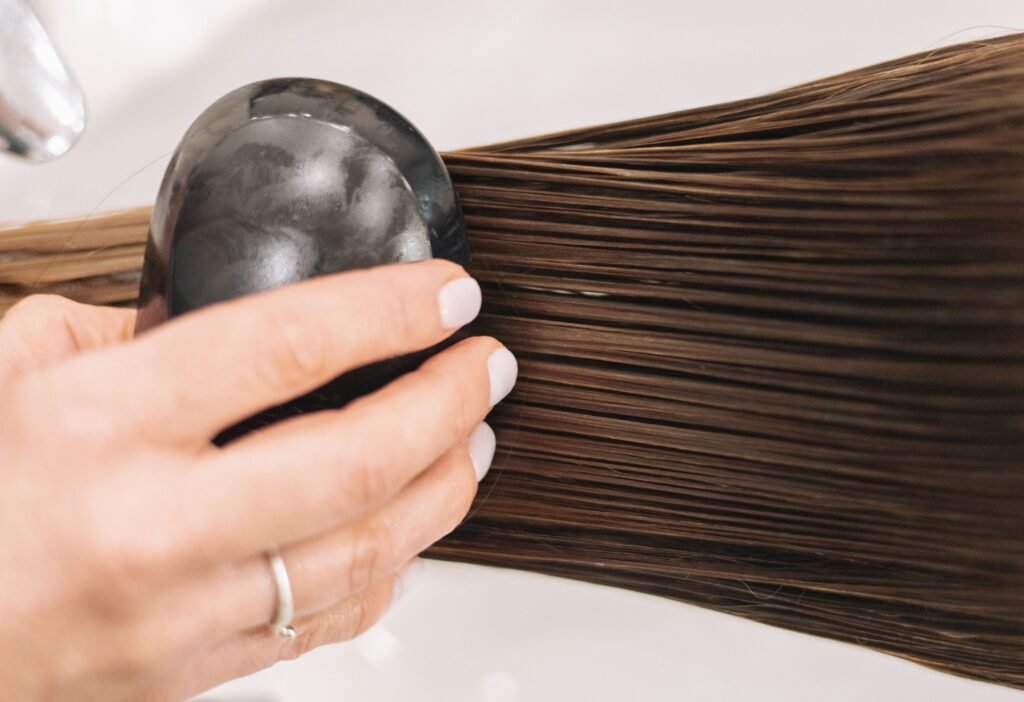
Hair Fall or Hair Breakage? You notice more hair than usual on your pillow, comb, shower floor or clothes. Naturally, the first thought is: “Am I losing my hair?” Not necessarily. What looks like hair loss may sometimes be hair breakage. Although the two can appear similar, they happen for different reasons. Hair fall involves hair being shed from the follicle as part of the hair-growth cycle. Hair breakage happens when the hair shaft breaks before the hair naturally sheds. Understanding the difference can help you choose a more appropriate hair-care approach. What Is Hair Fall? Hair fall, or hair shedding, occurs when individual hairs leave the scalp after completing part of their natural growth cycle. It is normal to lose some hair every day. However, excessive or persistent shedding can sometimes be associated with factors such as: Nutritional deficiencies Significant stress Illness or recovery from illness Hormonal changes Certain medications Thyroid disorders Genetic factors Some scalp conditions One important clue is where the hair is coming from. When a strand is shed naturally, you may notice a small, club-shaped or bulb-like end. This is different from a strand that has snapped in the middle. What Is Hair Breakage? Hair breakage occurs when the hair shaft becomes weak or damaged and breaks before the hair reaches the end of its natural growth cycle. Unlike hair shedding, breakage happens along the length of the hair. Common contributors include: Excessive Heat Frequent use of straighteners, curling irons and high-heat blow-drying can contribute to hair-shaft damage. Chemical Treatments Repeated colouring, bleaching, relaxing or other chemical treatments can weaken the hair structure, particularly when performed frequently or without appropriate aftercare. Mechanical Damage Aggressive brushing, combing wet hair roughly, rubbing hair with a towel and tight hairstyles can contribute to breakage. Dryness Hair that lacks adequate moisture and conditioning may become rough, brittle and more prone to snapping. How Can You Tell the Difference? There are several clues that can help. Look at the Strand Hair fall: The strand is usually a relatively complete hair, often with a small bulb-like end. Hair breakage: The strand may be shorter, uneven or snapped, without a bulb at the end. Look at Your Hair Length If you are finding many short, uneven pieces of hair, particularly around the crown or hairline, breakage may be contributing to the problem. If you are seeing a large increase in full-length hairs, increased shedding may be more likely. Look at Your Scalp Hair fall may become more noticeable through: A widening part Reduced overall density Increased scalp visibility Thinning around the crown or temples Breakage can leave the scalp density relatively unchanged while making the lengths appear thinner, shorter or uneven. Can You Have Both Hair Fall and Breakage? Absolutely. A person can experience increased shedding while also having damaged hair shafts. For example, someone experiencing stress-related shedding may simultaneously use frequent heat styling or chemical treatments, resulting in both shedding and breakage. That is why simply counting the number of hairs you lose may not provide the complete picture. Look at your scalp, hair length, density and overall hair condition together. How to Reduce Hair Breakage If breakage appears to be the primary concern, focus on protecting the hair shaft. 1. Reduce Excessive Heat Use lower heat settings whenever possible and avoid unnecessary repeated styling. 2. Condition Regularly Conditioning helps improve hair manageability and reduce friction during combing. 3. Be Gentle When Detangling Start from the ends and gradually work upward rather than pulling through knots aggressively. 4. Avoid Very Tight Hairstyles Repeated tension can place stress on the hair and scalp. 5. Limit Excessive Chemical Processing Give your hair adequate recovery time between chemical treatments. 6. Handle Wet Hair Carefully Wet hair can be more vulnerable to stretching and mechanical damage. Avoid aggressive towel rubbing or forceful brushing. What Can You Do About Excessive Hair Fall? The approach to hair shedding depends on the underlying cause. Start by looking at recent changes in your: Diet Stress levels Sleep Medications Health Hormonal status Hair-care routine If shedding is sudden, severe or persistent, a dermatologist can evaluate the pattern and determine whether further assessment is needed. Avoid assuming that every episode of hair fall is caused by a vitamin deficiency—and avoid taking high-dose supplements without an appropriate reason. Why Scalp Health Matters Your hair shaft and scalp need different types of care. A healthy hair-care routine should address both. Scalp care focuses on maintaining a clean and comfortable scalp environment, while hair-length care focuses on protecting the hair shaft from dryness, friction and damage. Think of it this way: Healthy scalp + protected hair shaft + adequate nutrition + consistency = a more complete hair-care strategy. Frequently Asked Questions Is hair breakage the same as hair loss? No. Hair breakage occurs when the hair shaft snaps, while hair shedding involves the hair leaving the follicle. Does broken hair grow back? The broken section itself cannot repair and reattach. However, the follicle can continue producing new hair, provided it remains healthy. Why do I have lots of short hairs? Short hairs can have several explanations, including new growth, normal variation in hair length, or breakage. Looking at the overall pattern is more useful than judging individual strands. Can hair fall cause thinning? Persistent excessive shedding can contribute to reduced hair density. However, different types of hair loss can produce thinning through different biological mechanisms. When should I see a dermatologist? Consider professional evaluation if hair shedding is sudden, persistent, patchy, rapidly worsening, or associated with scalp symptoms or other unexplained changes. The Strand Renewal Approach Understanding your hair is the first step toward caring for it better. Hair fall and hair breakage may look similar—but they are not the same problem. At Strand Renewal, we believe effective hair care starts with understanding the scalp, protecting the hair shaft and supporting healthy hair through a consistent, science-led routine. Don’t just count the strands. Understand what your hair is telling you. Start Your Strand […]

Blog

Do Supplements Really Work in Hair Fall?

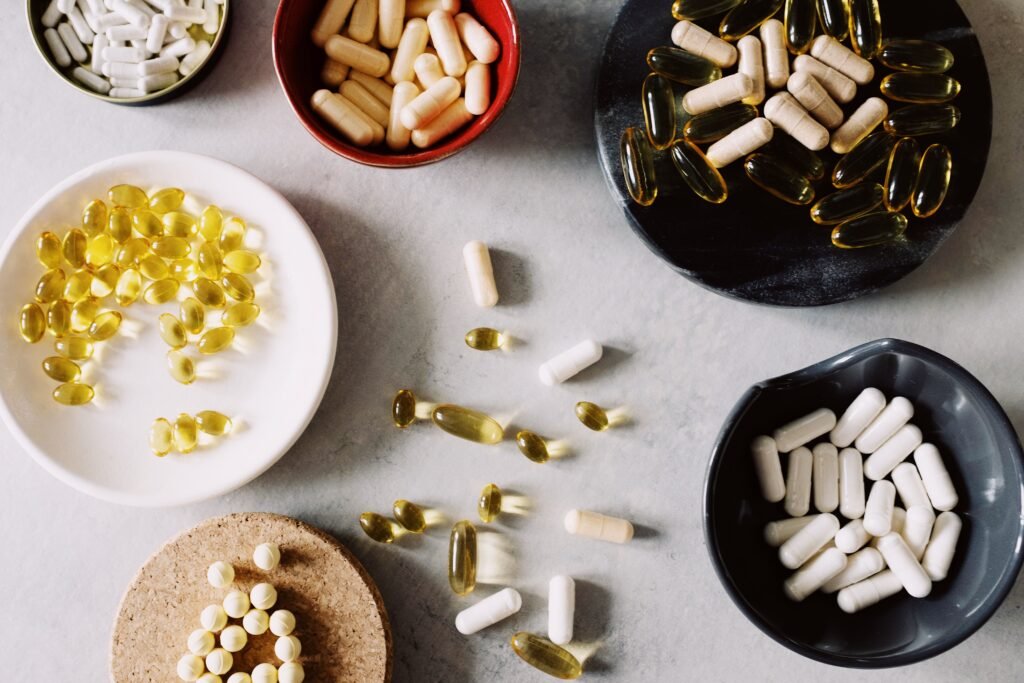
Do Supplements Really Work in Hair Fall?   Hair fall is one of the most common concerns among both men and women. Finding hair on your pillow, in the shower drain, or wrapped around your comb can be worrying. As a result, many people turn to biotin, collagen, multivitamins, iron, zinc, omega-3, and other hair supplements with the hope of achieving stronger, thicker, and healthier hair. But the important question is: Do supplements really work for hair fall? The answer is yes—but not for everyone, and not in every type of hair loss. Understanding Why Hair Fall Happens   Before choosing any supplement, it is important to understand the cause of hair fall. Hair loss can occur due to several reasons, including: Nutritional deficiencies Iron deficiency Low protein intake Vitamin deficiencies Stress and illness Hormonal changes Thyroid-related issues Post-pregnancy hair shedding Genetic or pattern hair loss Certain medications Scalp conditions If hair fall is caused by a nutritional deficiency, supplements may help improve hair health and reduce excessive shedding. However, if the underlying cause is hormonal or genetic, simply taking a hair vitamin may not solve the problem. When Can Supplements Help?   Hair follicles require a continuous supply of nutrients to support normal growth. Deficiencies in important nutrients can affect the hair growth cycle and may contribute to increased shedding or weaker hair. Some commonly discussed nutrients include: Iron: Low iron levels can be associated with hair shedding in some individuals. Correcting a confirmed deficiency may support normal hair growth. Vitamin D: Vitamin D plays a role in several body functions, and low levels are sometimes seen in people experiencing certain types of hair loss. Zinc: Zinc is involved in normal cell growth and tissue repair. A deficiency may contribute to hair-related concerns. Protein: Hair is primarily made of keratin, a protein. An inadequate protein intake may affect hair growth and strength. Vitamin B12 and other B vitamins: These nutrients support normal metabolic and cellular functions. Supplementation may be useful when a deficiency exists. Biotin: Biotin is probably one of the most popular ingredients in hair supplements. However, biotin is not a magic solution for everyone. It is most useful when a person actually has a deficiency or a specific need for supplementation. What About Collagen? Collagen supplements have become increasingly popular for skin and hair health. Collagen provides amino acids, which are the building blocks of proteins in the body. However, it is important to maintain realistic expectations. Taking collagen does not mean that collagen directly travels to your scalp and instantly creates new hair. It may support overall nutritional intake and provide amino acids, but it should not be considered a guaranteed treatment for hair loss. A balanced diet containing adequate protein can also provide many of the building blocks required for healthy hair. Supplements Cannot Fix Every Type of Hair Loss This is where many people make a mistake. Someone experiencing genetic hair thinning may spend months trying different gummies, capsules, powders, and tablets without seeing significant results. This happens because the supplement is not addressing the actual cause of the problem. Similarly, sudden or severe hair shedding may be related to stress, illness, hormonal changes, thyroid issues, nutritional deficiencies, or other medical factors. In such cases, identifying the root cause is more important than randomly trying multiple supplements. Hair supplements should therefore be seen as supportive tools—not miracle cures. More Is Not Always Better Another common misconception is that taking higher doses will produce faster results. That is not necessarily true. Excessive supplementation can sometimes cause unwanted effects or create nutritional imbalances. For example, taking high doses of certain vitamins or minerals without medical advice may not improve hair growth and may even create additional health concerns. This is why blindly combining multiple hair gummies, multivitamins, collagen powders, and individual mineral supplements is not always a good idea. A more sensible approach is to understand what your body actually needs. How Long Do Supplements Take to Show Results? Hair growth is a slow process. You cannot expect dramatic changes within a few days or even a couple of weeks. The hair growth cycle takes time, and visible improvement may require several months, depending on the cause of hair fall and the individual’s overall health. Consistency is important—but so is choosing the right approach. If you are taking a supplement to correct a nutritional deficiency, improvements in general health may occur before visible changes in hair density or thickness. The Best Approach to Hair Fall Instead of asking, “Which supplement is best for hair fall?”, ask: “Why am I losing hair?” That simple question can make a big difference. A comprehensive approach to hair health may include: Eating a balanced, protein-rich diet. Identifying and correcting genuine nutritional deficiencies. Managing stress and maintaining adequate sleep. Using appropriate scalp and hair care. Avoiding excessive heat, chemical treatments, and harsh styling. Consulting a dermatologist if hair fall is sudden, severe, or persistent. Using supplements when they are appropriate for your individual needs. So, do supplements really work in hair fall? They can—but only when they address an underlying nutritional need or deficiency. Supplements are not a universal solution for every type of hair loss. Biotin, collagen, zinc, iron, and other nutrients may support healthy hair, but taking them without understanding the cause of your hair fall may lead to disappointment. Healthy hair starts with a healthy body, a balanced diet, and the right diagnosis. Instead of chasing the latest “miracle” hair supplement, focus on understanding the reason behind your hair fall. The most effective solution is not always the most popular product—it is the one that addresses your specific cause of hair loss.

Scroll to Top