
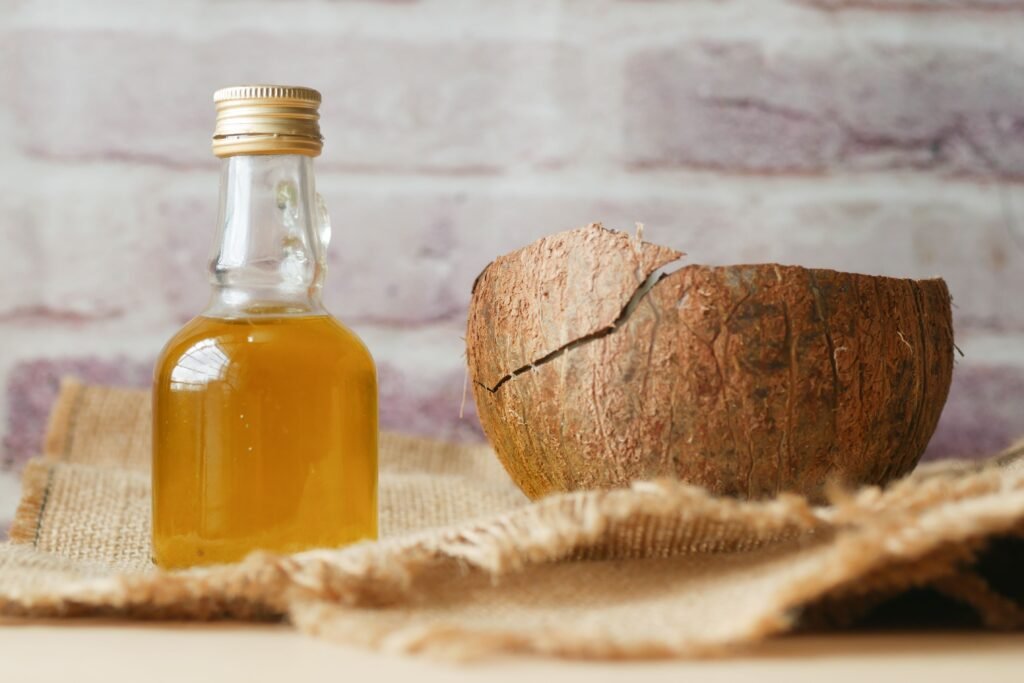
Coconut Oil for Hair Growth: Does It Really Work?
Coconut oil for hair has been a trusted hair-care ingredient for generations. From traditional scalp massages to modern hair-care formulations, it continues to be popular for its ability to nourish, condition and protect the hair. But there is an important question: Can coconut oil actually promote hair growth? The answer is more nuanced than a simple yes or no. Coconut oil may support healthier-looking hair and help reduce damage, but it is not a proven hair-growth treatment for every type of hair loss. Table of Contents What Makes Coconut Oil Good for Hair? Does Coconut Oil Promote Hair Growth? Coconut Oil for Hair Fall: Can It Help? How to Use Coconut Oil for Hair Is Coconut Oil for Hair Suitable for Everyone? Coconut Oil vs. Hair Growth Treatments Common Mistakes When Using Coconut Oil The Bottom Line Frequently Asked Questions What Makes Coconut Oil Good for Hair? Coconut oil is rich in fatty acids, particularly lauric acid. Its molecular structure allows it to interact with the hair shaft and penetrate the hair fibre more effectively than some other oils. This can help reduce protein loss from the hair, particularly when hair is damaged or exposed to repeated washing, heat styling and environmental stress. Healthier, stronger hair is less likely to break, which can make your hair appear fuller and longer over time. Does Coconut Oil Promote Hair Growth? This is where it is important to distinguish hair growth from hair retention. Hair growth occurs inside the follicle, where cells produce new hair. Coconut oil for hair primarily works on the hair fibre and scalp surface. There is currently limited evidence that applying coconut oil directly to the scalp can significantly stimulate follicle activity or increase the rate at which hair grows. However, coconut oil for hair helps create conditions that support better hair maintenance by: Reducing hair fibre damage Helping minimise protein loss Improving softness and manageability Reducing dryness and friction Helping protect hair from breakage So, while coconut oil may not directly “switch on” hair growth, it can potentially help you retain more of the hair you grow by reducing breakage. Coconut Oil for Hair Fall: Can It Help? Hair fall can have many causes, including genetics, nutritional deficiencies, hormonal changes, stress, illness, scalp conditions and certain medications. Because the causes vary, coconut oil cannot be considered a universal solution for hair fall. If your concern is mainly dry, brittle or damaged hair that breaks easily, coconut oil may be useful as part of a conditioning routine. But if you are experiencing sudden, excessive or persistent shedding, widening of the hair part, visible scalp or progressive thinning, it is important to identify the underlying cause rather than relying only on oiling. How to Use Coconut Oil for Hair If coconut oil works well for your hair type, it can be incorporated into your routine in a simple way. 1. Choose a suitable coconut oil Look for a good-quality coconut oil without unnecessary added ingredients if you want to use it as a pre-wash treatment. 2. Apply a small amount Warm a small quantity between your palms and gently distribute it through the lengths and ends of your hair. If you want to apply it to the scalp, use a small amount and massage gently rather than rubbing aggressively. 3. Leave it on before washing A pre-shampoo application can help condition the hair before cleansing. You do not necessarily need to leave oil on overnight; a shorter application may be sufficient depending on your hair and scalp. 4. Wash thoroughly Use a gentle shampoo to remove excess oil. If your hair feels heavy or greasy, reduce the quantity rather than applying more shampoo. Is Coconut Oil for Hair Suitable for Everyone? Not necessarily. Some people may find coconut oil leaves their hair soft and manageable, while others may experience heaviness, buildup or an uncomfortable scalp feeling. People with oily scalps or certain scalp conditions may prefer lighter products or may need professional advice before regularly applying oils to the scalp. Your hair type, scalp condition and individual needs should determine whether coconut oil belongs in your routine. Coconut Oil vs. Hair Growth Treatments It is useful to understand the difference between a hair-conditioning ingredient and a hair-loss treatment. Coconut oil can help improve the condition of the hair fibre and reduce certain forms of damage. However, treating conditions such as androgenetic alopecia or other forms of persistent hair loss may require a different approach. Evidence-based hair-loss management starts with identifying the cause. Depending on the diagnosis, a dermatologist may recommend specific treatments, lifestyle changes or investigations. Therefore, coconut oil can be viewed as a supportive hair-care ingredient, rather than a replacement for clinically appropriate treatment. Common Mistakes When Using Coconut Oil for Hair More oil does not necessarily mean better results. Avoid soaking your scalp and hair in excessive amounts of oil. Heavy application can make washing difficult and may leave buildup. Another common mistake is aggressive scalp massage. Hair that is already fragile can be vulnerable to mechanical stress, so massage should always be gentle. Finally, don’t expect immediate results. Hair growth is a gradual process, and visible changes require time and consistency. The Bottom Line Coconut oil for hair can be beneficial for hair health, but it should not be considered a guaranteed hair-growth solution. Its strongest role is in helping condition the hair, reduce protein loss and protect against certain types of damage and breakage. By helping maintain the hair you already have, it may contribute to the appearance of healthier, stronger and longer hair over time. However, persistent hair fall or thinning deserves a closer look. Understanding why your hair is falling is the first step toward choosing the right approach. At Strand Renewal, we believe hair care should begin with understanding—not guesswork. A healthy hair routine combines appropriate cleansing, conditioning, scalp care, nutrition and targeted solutions based on individual needs. FAQs 1. Does coconut oil make hair grow faster? There is limited evidence […]